
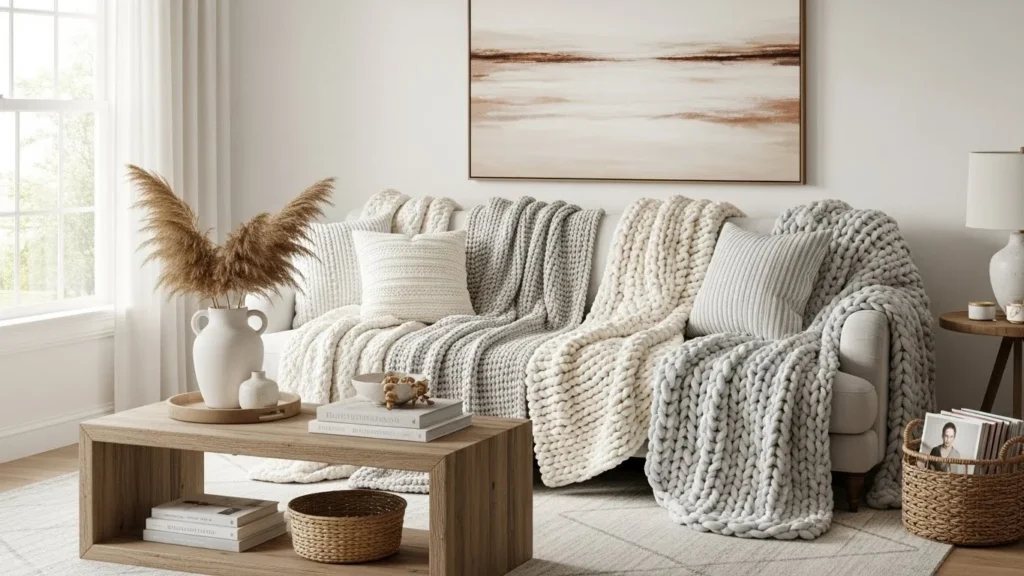
Creating a magazine-worthy living room isn’t just for interior designers—anyone can do it with the right guidance. Whether your style is modern, cozy, boho, or farmhouse, a beautifully decorated living room starts with a solid plan and a few insider tricks. Before we dive in, imagine the potential of your space…
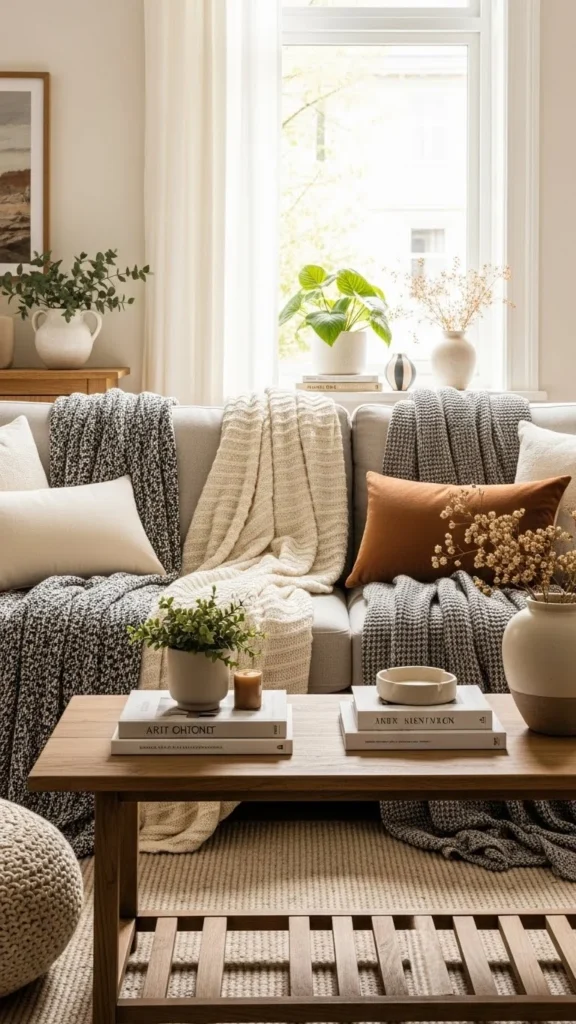
Let’s walk through the exact steps designers use to transform an ordinary living room into a polished, Pinterest-perfect space.
1. Start With a Vision (and a Mood Board)
Every great design begins with inspiration. Before you buy anything, gather photos, color palettes, and textures that speak to your style.
- Use Pinterest or Instagram to collect looks you love.
- Pay attention to patterns: Are you drawn to neutrals? Dark walls? Natural textures?
- Save 10–15 reference images and look for common themes.
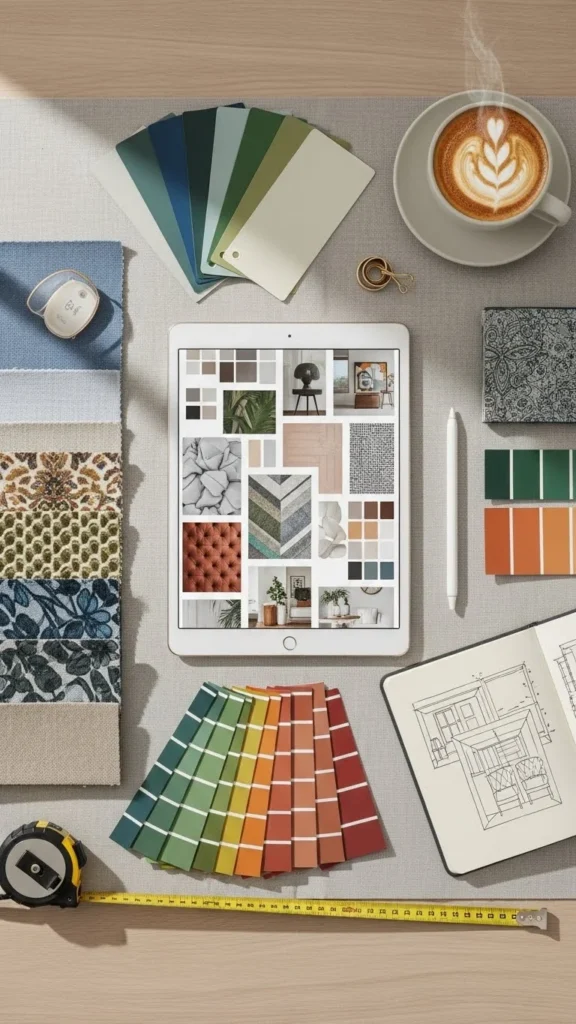
A mood board helps ensure your choices stay cohesive, even when you get excited by impulse décor finds later on.
2. Choose a Color Palette You Can Commit To
Designers swear by color palettes because they instantly create harmony in a room.
Tips for picking a professional palette:
- Choose 1–2 base neutrals (white, beige, gray, taupe).
- Add 1–2 accent colors (rust, navy, emerald green, blush).
- Bring variety through textures—not dozens of mismatched hues.
Your chosen colors will guide your furniture, rug, pillows, and artwork selections. Think of it as the glue that holds your entire space together.
3. Invest in Your Anchor Pieces
The “anchor pieces” are the large items that define the room’s layout and personality: the sofa, rug, coffee table, and TV console.
What to get right:
- The Sofa: Choose comfort but prioritize shape. Clean lines look instantly more designer.
- The Rug: Designers go larger than most homeowners—at least the front legs of furniture should sit on top of it.
- The Coffee Table: Round tables soften sharp angles; rectangular ones ground a long room.
- Storage Pieces: Opt for closed storage to keep clutter invisible.
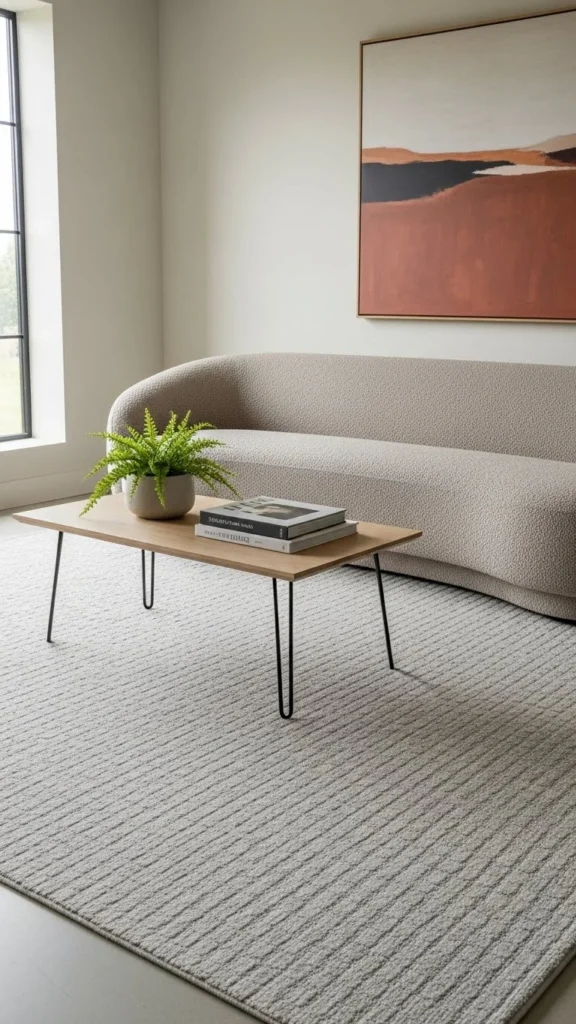
These items set the tone. Once they’re in place, everything else becomes easier.
4. Layer Textures Like a Pro
If your living room feels flat, it’s usually because it needs more texture. Designers layer contrasting materials to create depth and interest.
Try combining:
- Linen or cotton throw pillows
- Woven baskets
- Wooden side tables
- Ceramic vases
- Textured throw blankets
- Plants with varied leaf shapes
Mixing soft and hard textures makes the space feel curated rather than one-note.
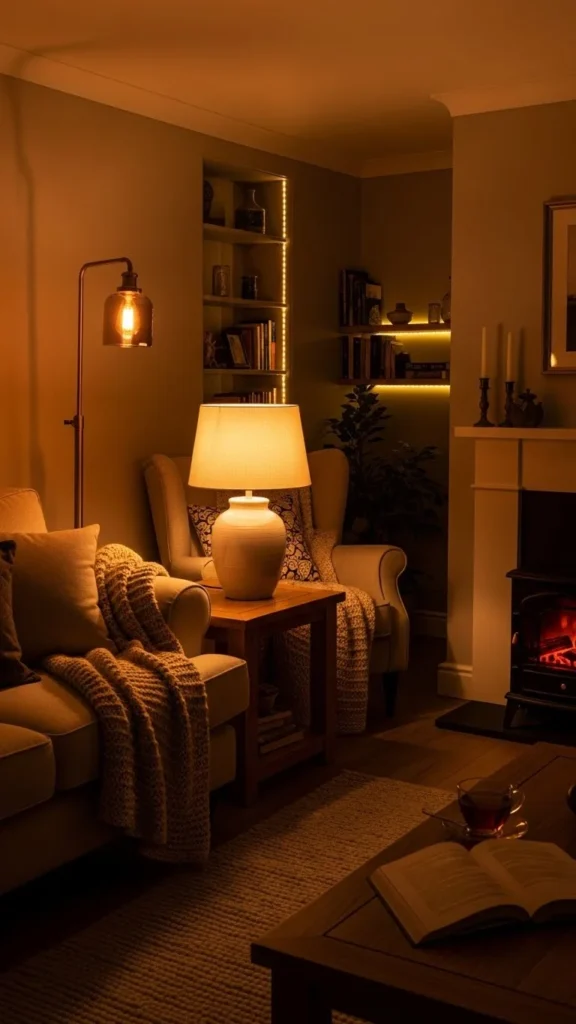
5. Master Lighting in Three Layers
Lighting is one of the biggest secrets in interior design. Designers rarely rely on only overhead lighting—they mix multiple sources instead.
Use the three-layer method:
- Ambient Lighting: Soft overhead light, dimmable if possible.
- Task Lighting: Reading lamps, desk lamps, or sconces.
- Accent Lighting: Candles, LED strips, art lights, or decorative fixtures.
Aim for 2–4 light sources in the room for that warm designer glow.
6. Style Your Coffee Table and Shelves Thoughtfully
Professional designers use intentional styling—not clutter—to make a room feel finished.
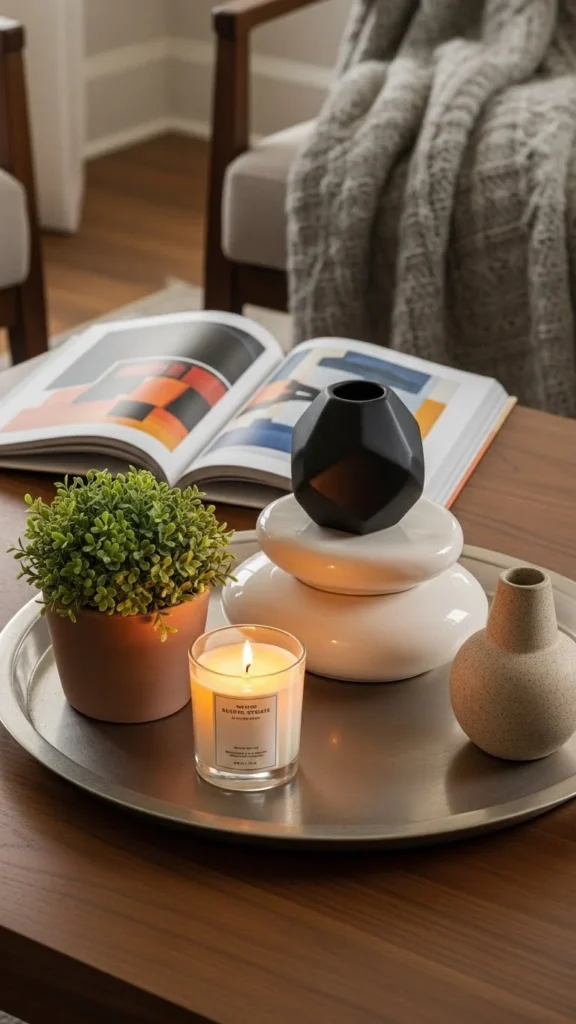
Coffee table styling formula:
- A tray
- A small plant or vase
- A candle
- A decorative object (like a small sculpture)
- A book stack
Shelf styling tips:
- Mix vertical and horizontal elements
- Add plants for freshness
- Leave empty space so shelves don’t feel crowded
- Vary heights and materials
It’s all about balance and visual rhythm—not packing in as much as possible.
7. Use Artwork That Fits the Scale of the Room
Art can make or break a living room. One tiny piece on a large wall can look awkward, but the right scale transforms everything.
Designer-approved art options:
- A large framed print
- A gallery wall with consistent spacing
- Oversized canvas art
- A statement mirror to reflect light and open the space
Pro Tip: Hang artwork at eye level—roughly 57–60 inches from the floor to the center of the piece.
8. Add the Final Touches That Make It Feel “Designer”
Once the big elements are in place, finishing touches bring personality and warmth.
Add:
- Plants (real or high-quality faux)
- Cushions in varied sizes
- Soft blankets draped casually
- Scented candles
- Natural materials like rattan, jute, or reclaimed wood
These details take your room from “nice” to “wow.”
Final Takeaway
Decorating a living room like a professional designer isn’t about having expensive furniture or a huge budget—it’s about making intentional choices, layering textures, choosing a cohesive color palette, and adding thoughtful finishing touches.
Save this guide to come back to when you’re ready to transform your own living room!